





 Medical Library


Calf Implants in Turkey: Enhancing Lower Leg Shape and Definition

Calf implants are a specialized cosmetic procedure designed to enhance the shape, volume, and definition of the lower legs when natural muscle development is limited.
The calf implant procedure is typically chosen by individuals who struggle with underdeveloped calf muscles due to genetics, injury, or structural factors that cannot be fully corrected through exercise alone.
Cost is a key factor in decision-making. In Turkey, the average cost ranges from $2,500 to $5,500, often including surgery, hospital fees, and aftercare services. Clinics such as Rememore are among the providers offering structured treatment plans and international patient support within this range.
Calf implants are commonly associated with long-term aesthetic enhancement of lower leg proportion, with outcomes focused on creating a more defined, balanced, and natural muscular appearance.
What Are Calf Implants?
Calf implants are silicone-based prosthetics that are surgically implanted within the lower leg to enhance its shape and volume.
These implants are designed to mimic the natural look and feel of muscle tissue, creating a more sculpted and proportionate appearance.
How Calf Implants Work?
Calf implants are typically inserted through small incisions behind the knee and positioned either above or below the muscle fascia.
The placement of the calf implant depends on the patient’s anatomy and desired results.
Calf implants are:
-
Solid silicone implants designed for durability
-
Custom shaped based on leg structure
-
Positioned for natural movement and appearance
-
Permanent solution compared to temporary fillers
The procedure is often chosen by individuals who have difficulty building calf muscles despite consistent training or those with asymmetry between legs.
Calf Implants Cost in Turkey
Cost is one of the most important considerations for patients planning to undergo a calf implant procedure. Prices can vary significantly depending on location, surgeon expertise, and clinic facilities.Calf implant surgery in Turkey is considered one of the more affordable body contouring procedures, especially compared to the US and Europe.
Calf implant cost in Turkey typically includes components like:
-
Surgeon’s fee based on experience and reputation
-
Anesthesia and operating room costs
-
Type and customization of the implant
-
Hospital or clinic facilities
-
Post-operative care and follow-up visits
|
Location |
Average Cost Range |
What's Typically Included |
Key Advantage |
| Turkey | $2,500 – $5,500 | All-inclusive packages (hotel, transfers, aftercare) | Affordable with high-quality results |
| UK | $5,000 – $9,000 | Procedure and basic aftercare | Strict healthcare standards |
| Europe (General) | $4,000 – $8,000 | Surgery and limited aftercare | Accessibility and quality care |
|
USA |
$6,000 – $10,000 |
Surgery, surgeon fee, facility costs |
Advanced medical infrastructure |
Who Is a Good Candidate for Calf Implants in Turkey?
Not everyone is an ideal candidate for calf implants, and proper evaluation is essential before proceeding with surgery.
The best candidates have certain characteristics such as:
-
Naturally thin or underdeveloped calves
-
Muscle imbalance or asymmetry
-
Individuals recovering from injury or medical conditions
-
Bodybuilders seeking enhanced definition
-
Stable weight and good skin elasticity
Candidates should also be non-smokers or willing to stop smoking during the recovery process, as this significantly affects healing.
Types of Calf Implants
Calf implants are not one-size-fits-all. Surgeons tailor the implant type and placement to match the patient’s anatomy and aesthetic goals.
|
Type of Implant |
Description |
Best For |
| Medial Implants | Enhance inner calf | Most common use |
| Lateral Implants | Enhance the outer calf | Added width and balance |
| Combination | Both inner and outer | Maximum volume and symmetry |
Each type is selected based on whether the patient wants subtle enhancement or more dramatic definition.
How Calf Implants Are Performed in Turkey
The calf implant in Turkey is typically performed under general anesthesia and takes around 1 to 2 hours. The process looks like:
-
Small incisions are made behind the knees
-
A pocket is created for implant placement
-
Silicone implants are inserted carefully
-
Incisions are closed with sutures
-
Compression garments are applied
The minimally visible incision placement ensures that post-surgical scarring remains discreet.

Recovery After Calf Implants in Turkey
While calf implant surgery is relatively straightforward, proper aftercare ensures optimal healing.
During the recovery period, patients can expect:
-
Swelling, tightness, and mild discomfort in the first few weeks
-
Limited walking during the first few days
-
Use of compression garments to reduce swelling
-
A recovery period that typically lasts 4–6 weeks
-
Avoiding exercise in the early stages
-
A gradual return to normal daily activities
Patience during recovery is essential to achieve smooth, natural-looking results.
Benefits of Calf Implants in Turkey
Calf implants offer both aesthetic and psychological benefits, especially for individuals who have struggled with leg appearance over the years.
Key advantages of calf implants include:
-
Improved leg symmetry
-
Enhanced muscle definition
-
Long-lasting results
-
Boost in self-confidence
-
Minimal visible scarring
Calf Implants vs Non-Surgical Alternatives
Some patients might consider non-surgical options like fillers and fat transfer before committing to implants. While alternatives exist, they ıften deliver limited and temporary results.
|
Feature |
Calf Implants |
Fillers |
Fat Transfer |
| Longevity | Permanent | Temporary | Semi-permanent |
| Volume Control | High | Moderate | Variable |
| Cost Over Time | One-time | Repeated sessions | Moderate |
| Results | Predictable | Less consistent | Depends on fat survival |
Calf implants remain the most reliable option for achieving significant and lasting enhancement.
Choosing the Right Surgeon for Calf Implants in Turkey
Selecting a qualified and experienced surgeon is the most important decision in the entire calf implant process. The outcome of calf implant surgery heavily depends on surgical skill, precision, and aesthetic judgement.
Choosing a trusted clinic like Rememore can help ensure a high standard of care, personalized treatment planning, and consistent results throughout every stage of the procedure.
When evaluating your options, the best surgeons and clinics typically demonstrate key qualities such as:
-
Board certification and recognized credentials
-
Proven experience with calf implant procedures
-
A strong before-and-after portfolio
-
A transparent and detailed consultation process
-
Positive and consistent patient reviews
Taking the time to research and consult multiple clinics, including reputable providers like Rememore, can significantly improve both your overall experience and total outcome.
Frequently Asked Questions
Are calf implants noticeable?
When performed correctly, calf implants look natural and are not easily distinguishable from real muscle.
Can I exercise after calf implants?
Yes, but only after full recovery. Most patients can resume exercise after 4–6 weeks with medical approval.
Do calf implants feel natural?
High-quality silicone implants are designed to closely mimic the feel of natural muscle tissue.

How Reviewed This Article ?
Prepared by the Rememore Editorial Board in collaboration with licensed physicians practising in Turkey.
-
Published Version
02/07/2026
-
Modified
02/07/2026 Rememore Staff
-
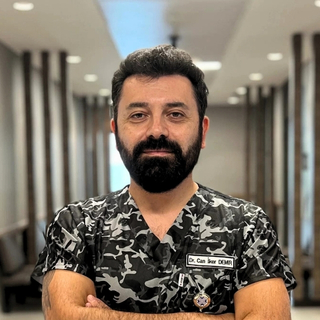
Medically Reviewed By
Other Blogs

Learn how Delta Dental PPO plans work, including coverage, network providers, out-of-network care, waiting periods, costs, and how PPO compares with HMO plans.
 Learn More

Discover the best weight loss supplements for women in 2026, including protein, fiber, caffeine, and green tea, plus safety tips and evidence-based guidance.
Learn More

Learn what an ingrown hair cyst is, including its symptoms, causes, treatment options, infection risks, prevention, and when to see a doctor.
Learn More

Learn the average weight for men by height and age , how BMI charts work, and what healthy weight ranges can tell you about overall health.
Learn More

