








Comprehensive Guide to Liposuction Recovery


Liposuction, commonly known as lipoplasty, is a popular cosmetic surgery procedure to remove unwanted fat deposits from the body. Due to the nature of surgical interventions, the liposuction recovery process is a critical stage. For the procedure’s success and patient satisfaction, it’s essential to be aware of potential difficulties and possible complications during recovery. In this guide, we will discuss essential elements of healing from lipo, including swelling timeline, pain management, and post-operative care.
What to Expect From the Liposuction Recovery Process
The recovery process for liposuction typically takes a few weeks. During the initial days, you might experience some discomfort or pain. Pain management medications recommended by your doctor are important at this stage. Swelling generally begins right after the procedure and gradually decreases over time. Wearing a tight compression garment can help reduce swelling. Doctor’s follow-up is crucial to prevent possible complications. It’s important to watch for signs of infection or blood clotting, consulting your doctor immediately if necessary.
Liposuction Recovery Time
Liposuction recovery time may vary from person to person. During the first week, pain and swelling may be more intense but will gradually decrease. Many patients can return to their daily activities by the second week. Complete healing from liposuction and final results typically take up to six weeks. If you notice any signs of complications, immediately consult your doctor. Listening to your body and following your doctor’s advice can ensure a smoother liposuction recovery timeline.
How Long Does It Take to Recover From Liposuction
Recovery time from liposuction generally ranges from several weeks to a few months. The first week is when swelling and bruising are most visible. It’s recommended that patients take at least one week off from work. In the following weeks, swelling begins to subside, allowing patients to slowly resume daily activities. However, full lipo recovery often takes about three to six months. Factors affecting how long it takes to recover from liposuction include the specific liposuction technique, the chosen location for the procedure, and the patient’s overall health condition.
Lipo Swelling Timeline
Swelling reaches its peak during the first week, making compression garments highly recommended during this period. By the second week, swelling starts to reduce, and patients can resume daily activities. From the third week onward, swelling continues to diminish, and results become more apparent. Consulting your doctor for effective swelling management is important. Drinking plenty of water, following a low-salt diet, and regular massages are commonly recommended.
How Painful is Liposuction Recovery
While the pain level varies individually, most patients experience mild to moderate discomfort. The first week is typically when pain is most intense, but it decreases with time. Doctors generally prescribe anti-inflammatory medications or painkillers for pain management. Swelling usually lasts around 4 to 6 weeks. If you're wondering, "does liposuction hurt," pain is manageable for most patients with appropriate care.
Liposuction Complications
Liposuction is generally safe, but complications can occasionally occur. Common surgical risks include infections, bleeding, or anesthesia-related side effects. Excessive pain or unexpected sensitivity might indicate a potential issue. If any abnormalities or side effects of liposuction are noticed, you should consult your doctor immediately.
Tips for a Smoother Liposuction Recovery
Rest, proper nutrition, and gentle movements can optimize the lipo healing process. Pressure garments are recommended to reduce swelling. Painkillers should be used as needed, staying in regular communication with your doctor. If unexpected complications arise, seek medical assistance immediately. Particularly when considering liposuction in Turkey, ensure you follow your medical professional’s advice and guidelines carefully to facilitate a smooth and safe recovery process.
Especially during the first few days, your body needs adequate rest and healing time. Follow your doctor’s advice carefully, avoiding strenuous activities. Additionally, drinking plenty of water and maintaining balanced nutrition can speed up your recovery. A diet rich in vitamins and minerals contributes positively to your liposuction healing time.
What Not to Do During Recovery
Avoiding certain mistakes is important for smoother lipo recovery. Measures like refraining from physical activity, not wearing overly tight clothes, and paying attention to wound care should be prioritized. Following your doctor’s advice carefully can help prevent complications.
Specifically, avoid wearing clothes that put pressure on the surgical area. Additionally, refrain from smoking and alcohol consumption, as these can negatively impact your liposuction healing process. Smoking can disrupt blood circulation and prolong healing time, while alcohol may increase inflammation and weaken your body’s ability to heal.
When to Talk With a Doctor
Contact your doctor if swelling or pain cannot be controlled or worsens significantly. It’s important to seek medical attention promptly if bleeding or infection symptoms occur. Communicating with your doctor when you have concerns is the safest approach.
If symptoms last longer than expected or worsen unexpectedly, speak with your doctor immediately. Also, seek immediate medical attention if you notice infection symptoms such as fever, redness, or an unpleasant odor from the surgical area.
Frequently Asked Questions (FAQs)
1. When can I return to work after liposuction?
Usually, within 1-2 weeks.
2. When can I start exercising after liposuction?
Light exercises can begin in 2-3 weeks; heavier sports activities typically require 4-6 weeks.
3. Is wearing a compression garment necessary after liposuction?
Yes, compression garments help reduce swelling and accelerate healing.
4. Are scars from liposuction permanent?
Scarring after liposuction is usually minimal and fades over time. Visibility depends on the treated area and skin type.
5. Are diet and exercise important after liposuction?
Yes, maintaining a healthy diet and regular exercise can enhance long-lasting results and overall health benefits.

How Reviewed This Article ?
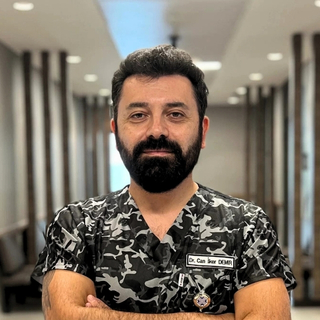
Prepared by the Rememore Editorial Board in collaboration with licensed physicians practising in Turkey.
-
Published Version
28/07/2025
-
Modified
28/07/2025 Rememore Staff
-
Medically Reviewed By


Other Blogs

Learn about blepharoplasty recovery time, week-by-week healing stages, swelling, bruising, upper and lower eyelid surgery recovery, and aftercare tips.
 Learn More

Compare Wegovy vs Ozempic dosage, cost, weight loss results, side effects, and uses to understand how these semaglutide medications differ.
Learn More

Explore hair textures, from straight to coily, with a hair texture chart, porosity guide, and practical tips to identify natural hair patterns and improve hair care.
Learn More

Learn how to sit after BBL, use a BBL pillow correctly, sleep safely, and follow a recovery timeline to protect fat transfer results.
Learn More

