





 Medical Library


High-Protein Foods That Speed Up Plastic Surgery Recovery

A high-protein diet is one of the most effective ways to accelerate recovery after plastic surgery, with most patients needing 1.5 to 2.0 grams of protein per kilogram of body weight daily to support proper healing.
Protein plays a central role in tissue repair, collagen production, immune defense, and muscle preservation, making it essential for reducing swelling, preventing complications, and improving overall results.
Recovery after plastic surgery in Turkey is not only about how much protein you consume, but also the quality and consistency of intake. Distributing nutrient-dense and well-planned plant-based proteins evenly throughout the day improves absorption and supports continuous recovery.
At the same time, limiting processed foods, sugar, and alcohol helps prevent inflammation and delays in healing.
Ultimately, combining adequate protein intake with balanced nutrition and proper meal timing creates the foundation for faster healing, better surgical outcomes, and a smoother recovery process.
Why Protein Is Essential After Plastic Surgery
After undergoing plastic surgery, the body enters a state of repair that requires increased energy and nutrients. Protein becomes critical during this phase because it directly contributes to rebuilding tissues, skin, and muscles affected by the procedure.
Protein is made up of amino acids, which are the building blocks of cells. These amino acids help repair damaged tissues, produce enzymes, and strengthen the immune system.
Without sufficient protein intake, the body may struggle to heal properly, leading to prolonged swelling, delayed wound healing, and increased risk of infection.
Key Benefits of Protein During Plastic Surgery Recovery
Protein provides several targeted benefits that directly impact post-surgical healing:
-
Supports collagen production for skin repair
-
Reduces inflammation and swelling
-
Enhances immune response
-
Prevents muscle loss during inactivity
-
Promotes faster wound closure
How Much Protein Do You Need After Surgery?
Determining the right amount of protein intake is essential for maximizing recovery.
While daily protein needs vary depending on body weight and activity level, post-surgery requirements are typically higher than usual.
In general, patients are advised to consume between 1.5 and 2.0 grams of protein per kilogram of body weight during recovery.
|
Body Weight (kg) |
Minimum Protein (g/day) |
Optimal Recovery Range (g/day) |
| 50 kg | 75 g | 75–100 g |
| 60 kg | 90 g | 90–120 g |
| 70 kg | 105 g | 105–140 g |
| 80 kg | 120 g | 120–160 g |
Top High-Protein Foods for Faster Healing After Plastic Surgery
Choosing the right protein sources is just as important as consuming enough protein. Whole, nutrient-dense foods provide not only protein but also vitamins and minerals that support recovery.
Lean Animal-Based Proteins
Animal-based proteins are considered complete proteins, meaning they contain all essential amino acids required for healing.
-
Chicken breast
-
Turkey
-
Eggs
-
Fish (salmon, tuna)
-
Greek yogurt
The body easily absorbs these foods, and they are especially effective in supporting tissue repair.
Plant-Based Protein Options
For those who prefer plant-based diets, there are several alternatives that can still meet plastic surgery recovery needs when consumed strategically.
-
Lentils
-
Chickpeas
-
Quinoa
-
Tofu and tempeh
-
Chia seeds
Combining different plant proteins ensures a complete amino acid profile.
Protein-Rich Snacks for Plastic Surgery Recovery
Snacking can help maintain consistent protein intake throughout the day, which is important for continuous healing.
-
Cottage cheese with fruit
-
Protein smoothies
-
Boiled eggs
-
Nut butter with whole-grain crackers
-
Protein bars (low sugar options)

The Role of Collagen and Specialized Proteins in Plastic Surgery Recovery
Beyond general protein intake, certain types of protein play a more specialized role in recovery. Collagen, in particular, is a key structural protein in the skin and connective tissue.
Consuming foods rich in collagen or taking supplements can help improve skin elasticity and wound healing after surgery.
Some collagen-boosting foods are:
-
Bone broth
-
Chicken skin
-
Fish skin
-
Citrus fruits (support collagen synthesis)
-
Leafy greens
Bone broth, gelatin, and collagen peptides are particularly beneficial for plastic surgery recovery.
How to Structure Your Post-Plastic Surgery Diet
While eating enough protein is important, distributing it throughout the day also matters. Instead of consuming large amounts in one meal, spreading protein intake evenly throughout the day helps the body absorb and utilize it more effectively.
A sample daily meal plan can look like:
|
Meal |
Foods |
| Breakfast | Scrambled eggs with spinach, Whole-grain toast, Greek yogurt |
| Lunch | Grilled chicken salad with quinoa, Olive oil dressing |
| Snack | Protein smoothie with banana and almond butter |
| Dinner | Baked salmon, Steamed vegetables, Brown rice |
Foods to Avoid During Recovery
While focusing on protein-rich foods, it is equally important to avoid items that can slow down healing or increase inflammation.
Common foods to limit are:
-
Processed foods high in sugar
-
Fried and greasy meals
-
Excess salt (can increase swelling)
-
Alcohol
-
Carbonated drinks
These foods may interfere with nutrient absorption and delay recovery progress.

Additional Nutrients That Support Protein Function
Protein does not work alone. Several vitamins and minerals enhance its effectiveness and contribute to faster healing.
Key nutrients that support plastic surgery recovery include:
-
Vitamin C (collagen production)
-
Zinc (immune support and wound healing)
-
Iron (oxygen transport in blood)
-
Omega-3 fatty acids (reduce inflammation)
A balanced diet that includes these nutrients ensures protein is utilized efficiently.
Frequently Asked Questions
Can I consume protein shakes instead of whole foods?
Yes, protein shakes can be a convenient supplement, especially if your appetite is reduced. However, they should not completely replace whole foods, as whole foods provide additional nutrients essential for healing.
When should I start increasing protein intake after surgery?
Protein intake should be increased immediately after surgery, as the body begins healing right away. In some cases, doctors may recommend starting even before the procedure.
Is too much protein harmful during recovery?
Excessive protein intake can strain the kidneys, especially in individuals with pre-existing conditions. It’s important to stay within recommended ranges and consult a healthcare provider if unsure.
How long should I follow a high-protein diet?
Most patients benefit from a high-protein diet for at least 2–6 weeks post-surgery, depending on the procedure and individual recovery rate.

How Reviewed This Article ?
Prepared by the Rememore Editorial Board in collaboration with licensed physicians practising in Turkey.
-
Published Version
24/06/2026
-
Modified
24/06/2026 Rememore Staff
-
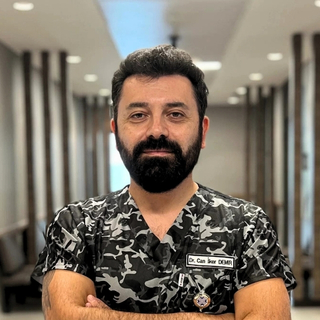
Medically Reviewed By


Other Blogs

Learn the average weight for men by height and age , how BMI charts work, and what healthy weight ranges can tell you about overall health.
 Learn More

Learn what to expect during the first 24 hours after anesthesia, including anesthesia recovery, common side effects, nausea, fatigue, and when to contact your doctor.
Learn More

Compare dental insurance for seniors in 2026, including Medicare dental coverage, retiree plans, standalone insurance, discount plans, costs, and key benefits.
Learn More

Learn whether wrinkle creams work, which anti-aging ingredients can help, how to reduce wrinkles, and which medical wrinkle treatments may offer longer-lasting results.
Learn More

