








J-Plasma Surgery: Advanced Skin Tightening Technology Explained

Skin laxity is one of the most common aesthetic concerns associated with aging, weight loss, and body changes that occur after pregnancy. While more traditional surgical lifting procedures still remain effective, many patients in recent years are seeking minimally invasive alternatives that offer noticeable tightening with less downtime.
J-Plasma surgery has emerged as one of the most advanced technologies designed to meet this demand. J-Plasma surgery provides precise tissue contraction and skin tightening from beneath the skin’s surface by using a unique combination of helium plasma and radiofrequency energy.
What Is J-Plasma Surgery?
J-Plasma surgery is a minimally invasive skin tightening procedure that utilizes cold helium plasma, combined with radiofrequency (RF) energy, to contract loose skin and underlying tissues.
Contrary to external tightening devices, J-Plasma works subdermally, meaning that the energy is delivered directly beneath the skin for enhanced effectiveness.
J-Plasma surgery is often used as a standalone procedure or combined with liposuction to improve skin retraction after fat removal. Because of its precision, J-Plasma is suitable for both facial and body treatments.
How J-Plasma Technology Works
The technology of J-Plasma surgery is based on controlled energy delivery that creates immediate tissue contractions while also stimulating long-term collagen remodeling.
The process of the J-Plasma world through:
-
Helium gas activation, which cools the radiofrequency energy and allows controlled delivery to the tissue while minimizing thermal damage
-
Plasma creation, enabling precise and stable energy transmission for targeted tissue contraction
-
Subdermal application, where the energy is delivered beneath the skin to directly affect connective tissues and collagen structures
-
Instant skin contraction, which can be observed during the procedure, continues to improve as collagen remodeling occurs over time
This controlled energy minimizes thermal damage while maximizing tightening, making J-Plasma safer and more predictable than many heat-based alternatives.
What Areas Can Be Treated With J-Plasma Surgery?
J-Plasma surgery is a highly versatile skin-tightening procedure that can be applied to different areas of the body where skin laxity can be present.
The procedure is particularly effective in areas that are prone to sagging after weight loss, aging, or fat removal procedures since the technology works beneath the skin’s surface.
Common treatment areas include:
-
Abdomen
-
Arms
-
Thighs
-
Neck and jawline
-
Back and bra line
-
Knees
-
Chest and décolletage
This high level of adaptability makes J-Plasma surgery particularly appealing for patients who have experienced significant weight loss, post-pregnancy changes, or age-related skin laxity and are seeking noticeable tightening without extensive surgical scars.
J-Plasma vs Traditional Skin Tightening Methods
Understanding how J-Plasma compares to other skin-tightening techniques helps clarify why it has become such a popular choice among patients seeking minimally invasive solutions.
While there are several options available, each method differs in terms of effectiveness, downtime, invasiveness, and ideal candidate profile.
|
Feature / Method |
J-Plasma Surgery |
Renuvion |
Laser Skin Tightening |
Surgical Skin Removal (Lift) |
|
How It Works |
Subdermal helium plasma + RF energy |
Helium plasma + RF (older system) |
External heat-based laser |
Incisions to remove excess skin |
|
Skin Tightening Effect |
Immediate and progressive |
Immediate, slightly less precise |
Mild to moderate |
Strong and dramatic |
|
Downtime |
Moderate |
Moderate |
Minimal |
Longer |
|
Best For |
Moderate skin laxity; can be combined with liposuction |
Similar to J-Plasma but older technology |
Mild skin laxity; non-invasive |
Severe skin laxity requiring excision |
|
Invasiveness |
Minimally invasive |
Minimally invasive |
Non-invasive |
Fully invasive |
|
Scarring |
Small incisions |
Small incisions |
None |
Larger surgical scars |
Benefits of J-Plasma Surgery
J-Plasma surgery has several advantages over conventional skin tightening techniques, which makes it a popular choice for patients who seek effective results with minimal downtime.
Key benefits of J-Plasma surgery include:
-
Immediate visible tightening: Patients can often notice a difference in skin firmness right after the procedure.
-
Minimally invasive approach: The procedure uses small incisions, reducing trauma to surrounding tissues compared to traditional surgery.
-
Smaller incisions compared to excisional surgery: This results in less scarring and a more aesthetically pleasing outcome.
-
Enhanced skin retraction after liposuction: When combined with fat removal, J-Plasma helps tighten the remaining skin for a smoother contour.
-
Shorter recovery period: Most patients experience faster healing and can return to daily activities sooner than with traditional lifts.
-
Long-lasting collagen stimulation: The energy delivered beneath the skin promotes ongoing collagen production, improving firmness over time.
Who Is an Ideal Candidate for J-Plasma Surgery?
Not every patient with loose skin can be a suitable candidate for J-Plasma surgery. Possible patients typically share certain characteristics, such as:
-
Have mild to moderate skin laxity
-
Are close to their ideal body weight
-
Have good overall health
-
Do not require extensive skin excision
-
Seek noticeable tightening without major surgery
Patients with more severe skin excess may still require traditional lifting procedures for optimal results.

The J-Plasma Surgery Procedure Step by Step
J-Plasma surgery follows a structured and controlled process to ensure both safety and precision. The exact approach can vary depending on the treatment area and whether the procedure is combined with liposuction.
The procedure generally includes:
-
Local or general anesthesia: Selected based on the size and sensitivity of the treatment area to ensure patient comfort
-
Small, discreet incisions: Created to allow insertion of the J-Plasma probe beneath the skin
-
Subdermal application of helium plasma energy: Targets connective tissues and stimulates immediate skin contraction
-
Controlled tissue tightening: Achieved through precise energy delivery to avoid unnecessary thermal damage
-
Closure of incisions: Typically requires minimal suturing due to the small incision size
When combined with liposuction, J-Plasma is usually performed immediately after fat removal which allows the skin to tighten more effectively around the newly contoured area, improving overall shape and reducing the risk of post-liposuction skin laxity.
Recovery Timeline After J-Plasma Surgery
Recovery after J-Plasma surgery is generally faster than traditional surgical lifts, though it still requires careful aftercare. In general, the recovery stage looks like:
|
Timeframe |
What to Expect |
|
First 3–5 days |
Swelling and mild discomfort |
|
1–2 weeks |
Reduced swelling and bruising fade |
|
3–6 weeks |
Noticeable tightening |
|
3–6 months |
Final results develop |
Compression garments are often recommended to support healing and improve outcomes.
Expected Results and Longevity
One of the most defining advantages of J-Plasma surgery is the combination of immediate and long-term results.
Patients typically experience:
-
Instant tightening during the procedure
-
Progressive improvement over several months
-
Enhanced skin firmness and contour definition
Results of J-Plasma surgery can last for years, especially when supported by stable weight, healthy lifestyle choices, and proper skin care.
Risks and Safety Considerations
Although J-Plasma surgery is considered safe when performed by experienced surgeons, it is still a medical procedure.
Potential risks include:
-
Temporary swelling or bruising
-
Irregular skin texture if improperly applied
-
Burns or nerve irritation in rare cases
-
Infection if aftercare instructions are not followed
Choosing a qualified provider significantly reduces complication risks.
J-Plasma Surgery in Turkey: Why It’s Gaining Popularity
As it is with many other procedures in plastic surgery Turkey has become a leading destination for advanced aesthetic procedures like J-Plasma surgery. Turkey combines cutting-edge technology with experienced surgeons and internationally accredited clinics.
Patients choose Turkey for:
-
Highly trained cosmetic surgeons
-
Modern medical facilities
-
Comprehensive treatment packages
-
Short waiting times
-
Competitive pricing compared to the US and Europe

How Reviewed This Article ?
Prepared by the Rememore Editorial Board in collaboration with licensed physicians practising in Turkey.
-
Published Version
16/01/2026
-
Modified
16/01/2026 Rememore Staff
-
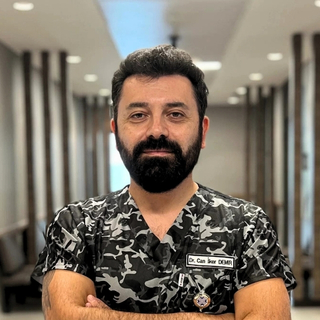
Medically Reviewed By
Other Blogs

Learn about blepharoplasty recovery time, week-by-week healing stages, swelling, bruising, upper and lower eyelid surgery recovery, and aftercare tips.
 Learn More

Compare Wegovy vs Ozempic dosage, cost, weight loss results, side effects, and uses to understand how these semaglutide medications differ.
Learn More

Explore hair textures, from straight to coily, with a hair texture chart, porosity guide, and practical tips to identify natural hair patterns and improve hair care.
Learn More

Learn how to sit after BBL, use a BBL pillow correctly, sleep safely, and follow a recovery timeline to protect fat transfer results.
Learn More

