





 Medical Library


Do Wrinkle Creams Work? Ingredients, Results, and Medical Alternatives

Wrinkle creams can improve the appearance of fine lines, dryness, and uneven skin texture, but their results depend on the ingredients, concentration, and consistency of use.
Some anti-aging products primarily hydrate the skin, temporarily making fine lines less noticeable, while active ingredients like retinol can support long-term improvements in skin texture and collagen production. However, creams generally cannot reproduce the results of professional procedures when wrinkles are deeper or associated with significant skin laxity.
Understanding what wrinkle creams can realistically achieve makes it easier to choose between skincare, facial wrinkle treatment options, and medical alternatives.
Key Takeaways
-
Wrinkle creams can soften the appearance of fine lines, particularly when they contain evidence-supported active ingredients.
-
Retinol for wrinkles is one of the most established topical options for improving skin texture and signs of photoaging.
-
Moisturizing ingredients can make wrinkles look less pronounced by improving the skin's hydration.
-
Daily sun protection is essential because ultraviolet exposure contributes significantly to premature skin aging.
-
Medical wrinkle treatments can address deeper lines and skin laxity that topical products may not adequately improve.
Do Wrinkle Creams Work?
Wrinkle creams can work to a certain extent. However, they won’t be able to eliminate wrinkles permanently. The effectiveness of wrinkle creams varies by wrinkle type, formulation, and how consistently the product is used.
The distinction between temporary cosmetic improvement and gradual skin changes is particularly important when choosing the best wrinkle cream. A product that makes the skin appear plumper immediately may be useful for hydration, but this effect is different from stimulating processes involved in skin renewal.
|
Ingredient Type |
Potential Benefit |
| Retinoids | Improve fine lines and skin texture |
| Hyaluronic acid | Hydrates and temporarily plumps skin |
| Peptides | Support skin conditioning and firmness |
| Vitamin C | Provides antioxidant support and helps brighten skin |
| Ceramides | Strengthen the skin barrier and reduce dryness |
| Broad-spectrum sunscreen | Helps prevent UV-related premature aging |
What Ingredients Are Best for Wrinkles?
The best ingredients for wrinkles depend on the specific skin concern being addressed. Some ingredients focus on hydratiın and barrier support, whereas others are used to target visible signs of photoaging.
Retinol for Wrinkles
Retinol for wrinkles is widely used since retinoids can increase skin-cell turnover and influence collagen production.
With consistent use, retinoid-based products can improve the appearance of fine lines, skin texture, and uneven pigmentation. Retinol can also cause dryness, redness, or irritation, particularly when first introduced, so gradual use may help some people adjust.
Hyaluronic Acid and Peptides
Hyaluronic acid helps attract and retain moisture, which can temporarily make dehydrated skin appear smoother and more plump. Peptides are another common ingredient in anti-aging skincare and are primarily used for their skin-conditioning and firming properties.
These ingredients can complement a broader skincare routine, although they do not necessarily provide the same effects as prescription-strength retinoids or professional procedures.
Antioxidants and Sunscreen
Antioxidants such as vitamin C can help protect the skin from oxidative stress, while sunscreen helps reduce ongoing UV damage.
Sun protection is particularly important because repeated ultraviolet exposure contributes to collagen breakdown, pigmentation, and other visible signs of skin aging. Using sunscreen consistently can therefore help protect against further photoaging while other skincare ingredients address existing concerns.

How to Reduce Wrinkles With Skincare
Learning how to reduce wrinkles through skincare starts with a consistent routine that combines hydration, appropriate active ingredients, and protection from environmental damage.
No single product can address every sign of skin aging, and using multiple strong products at the same time may increase irritation without necessarily improving results.
A basic skincare routine for reducing the appearance of wrinkles may include:
-
A gentle cleanser suited to the skin type
-
A moisturizer that supports the skin barrier
-
A retinoid or another appropriate anti-aging active
-
Antioxidant skincare such as vitamin C, when suitable
-
Broad-spectrum sunscreen during the day
Introducing active ingredients gradually can help reduce the likelihood of irritation. A dermatologist can recommend products and concentrations based on individual skin type and concerns, particularly for sensitive skin or when prescription-strength treatment is being considered.
What Is a Wrinkle Treatment?
A wrinkle treatment is any approach used to reduce the visible appearance of facial lines, whether through topical skincare, minimally invasive cosmetic procedures, or surgery. The most appropriate option depends on whether wrinkles are mainly caused by repeated muscle movement, sun damage, volume changes, skin laxity, or a combination of factors.
Topical products are generally most relevant to surface-level concerns, while professional treatments can target specific underlying causes.
Medical Treatments for Facial Wrinkles
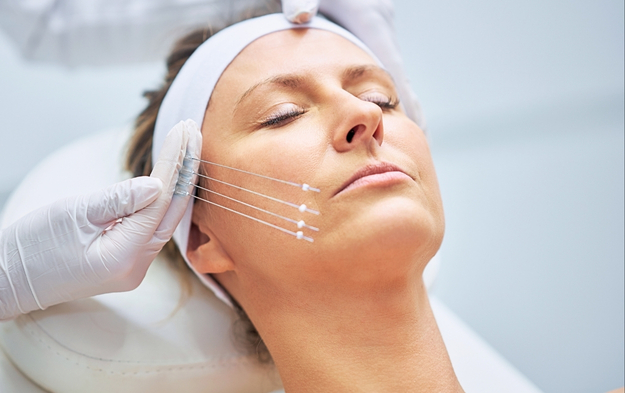
Medical treatments for facial wrinkles can provide more noticeable changes when topical skincare is not enough.
Depending on the patient’s anatomy, skin condition, and aesthetic goals, a qualified medical professional may recommend a nonsurgical procedure or surgery rather than relying exclusively on creams.
Common options include:
-
Botulinum toxin (Botox) injections: Reduce the appearance of certain dynamic wrinkles caused by repeated muscle movement.
-
Dermal fillers: Restore or enhance volume in areas where age-related volume loss contributes to facial lines or folds.
-
Chemical peels: Remove damaged outer layers of skin to improve texture and pigmentation.
-
Laser treatments: Can target selected signs of photoaging and stimulate skin remodeling.
-
Microneedling: Creates controlled micro-injuries that can stimulate collagen production.
-
Facelift surgery: Addresses significant facial skin laxity and deeper age-related changes.
The suitability, risks, and expected longevity of each treatment should be assessed individually by a qualified professional.
Wrinkle Cream vs. Medical Treatment
Wrinkle creams and medical treatments differ mainly in how they work, the concerns they target, the expected degree of improvement, and the level of intervention involved.
Skincare can be a practical approach for maintaining skin quality and addressing early signs of aging, while medical procedures may be considered when wrinkles, volume loss, skin texture changes, or laxity are more pronounced.
|
Approach |
Common Goal |
Level of Intervention |
| Wrinkle cream | Hydration, texture, and fine lines | Topical |
| Retinoid treatment | Fine lines and photoaging | Topical |
| Microneedling | Texture and collagen remodeling | Minimally invasive |
| Injectables | Dynamic wrinkles or volume loss | Minimally invasive |
| Facelift | Significant laxity and facial aging | Surgical |
Topical products generally require consistent use over time and are most useful for supporting skin quality and addressing milder concerns. Medical treatments act through different mechanisms and may produce more noticeable changes, but they also involve varying degrees of risk, recovery, and professional care.

Frequently Asked Questions
How long does wrinkle cream take to work?
The timeframe varies by ingredient and individual response. Hydrating products can produce a temporary smoothing effect quickly, while products containing active ingredients generally require consistent use over time.
Is anti-aging cream suitable for everyone?
Not necessarily. Skin type, sensitivity, age, existing conditions, and other skincare products can affect whether a particular anti-aging cream is appropriate.
Can you use wrinkle cream with professional treatments?
In many cases, skincare can complement professional wrinkle treatments, but the routine may need to be adjusted before or after certain procedures. A healthcare professional can provide individualized instructions.
Are expensive wrinkle creams more effective?
Price alone does not determine effectiveness. The formulation, active ingredients, concentration, stability, and suitability for the individual's skin are more relevant factors when evaluating a product.

How Reviewed This Article ?
Prepared by the Rememore Editorial Board in collaboration with licensed physicians practising in Turkey.
-
Published Version
21/09/2026
-
Modified
23/09/2026 Rememore Staff
-
Medically Reviewed By



Other Blogs

Explore different types of nipples, including flat, inverted, puffy, and protruding nipples. Learn about nipple shapes, size variation, normal appearance, and changes.
 Learn More

Learn about deviated septum surgery cost in 2026, including septoplasty price ranges, insurance coverage, septorhinoplasty costs, and factors affecting the final price.
Learn More

Discover effective weight loss exercises at home with no-equipment bodyweight workouts, cardio exercises, and a beginner-friendly home workout plan.
Learn More

Learn what causes an outie belly button, the different types of belly buttons, whether it can be changed, and how umbilicoplasty and tummy tuck surgery can reshape its appearance.
Learn More

