





 Medical Library


Face Lift
Overview
Facelift surgery rejuvenates the midface, lower face, and neck to restore youthful contours, reposition descended soft tissues, and smooth deep facial folds. Using advanced surgical techniques adapted to individual facial anatomy, facelift procedures address skin laxity, volume displacement, and structural descent while preserving natural facial expressions and proportions. Treatment can redefine the jawline, elevate sagging cheeks, and soften nasolabial folds, delivering long-lasting and natural-looking results.

What is a Facelift?
Facelift, or rhytidectomy, is a plastic surgery in Turkey designed to lift and reposition facial tissues to counteract visible signs of aging. Unlike surface treatments that address only the skin, Facelift Turkey targets deeper tissue layers, providing structural rejuvenation and improved facial harmony. This approach allows for significant yet natural enhancement with durable outcomes.
Facelift surgery involves strategic elevation and redraping of the superficial musculoaponeurotic system (SMAS) and overlying skin. By lifting and securing these deeper support layers, surgeons restore youthful facial contours and correct soft tissue descent. The procedure commonly targets the midface, lower face, and neck region to create a smoother, firmer appearance.
The facelift addresses multiple anatomical zones, including the cheeks, jowl area, mandibular border, and neck. Incisions are typically placed along natural creases near the hairline and around the ear for minimal visibility.
Facelift results are typically more durable than nonsurgical treatments, often lasting 7–10 years depending on individual aging processes and skin quality.
How Facelift Differs from Other Facial Rejuvenation Treatments
Facelift surgery differs significantly from minimally invasive procedures such as injectable fillers or thread lifts. While fillers temporarily restore volume, facelift addresses the underlying structural changes of aging by repositioning deep tissues.
Key technical differences:
-
Treatment depth: Targets SMAS and deeper layers rather than just the dermis
-
Longevity: Provides years of rejuvenation compared to months for injectables
-
Lifting capacity: Superior repositioning of sagging tissues
-
Incision approach: Hidden incisions allow extensive correction
Types of Facelift Techniques
Multiple facelift techniques are available, each tailored to address different aging patterns and anatomical needs.
SMAS Facelift
The SMAS facelift remains the gold standard for lower face rejuvenation. It involves lifting and tightening the SMAS layer to create natural contours without over-pulling the skin. This approach provides durable results and effective correction of jowls and midface descent.
Deep Plane Facelift
The deep plane facelift targets tissues beneath the SMAS, allowing comprehensive repositioning with minimal skin tension. This advanced technique is particularly effective for patients with moderate to severe sagging, delivering long-lasting and natural results with improved midface lifting.
Mini Facelift
The mini facelift is a less invasive variation suitable for early signs of aging. It uses shorter incisions and focuses on the lower face and jawline. Recovery is typically faster, and the results, while more subtle, provide meaningful rejuvenation for selected candidates.
Neck Lift Combination
Many facelift procedures incorporate a neck lift to create a seamless transition from the lower face to the neckline. This combination enhances jawline definition and addresses platysmal banding, achieving a balanced, youthful profile. To understand what is the difference between a facelift and a neck lift, it's important to note that while facelifts focus on the mid and lower face, neck lifts specifically target the neck area and jawline for comprehensive rejuvenation.
Facelift Procedure: What to Expect
Consultation and Treatment Planning
A board-certified plastic surgeon performs a detailed evaluation of facial anatomy, skin quality, and aging patterns during the consultation for face lift in Turkey. Treatment planning involves selecting the appropriate facelift technique, mapping incision sites, and discussing the patient’s aesthetic goals.
Planning steps include:
-
Reviewing medical history and surgical suitability
-
Assessing facial structure and soft tissue condition
-
Outlining incision placement and lifting vectors
-
Discussing realistic expectations and outcomes
Benefits and Risks
Benefits of Face Lift
Primary benefits include:
- Restoration of youthful facial contours
- Reduction of jowls and sagging skin
- Improved jawline and neck definition
- Long-lasting facial rejuvenation
Risks of Face Lift
Risks include:
- Swelling and bruising
- Temporary numbness or tightness
- Scarring (usually minimal and well-hidden)
- Infection or bleeding (rare)
- Prolonged healing in smokers or certain patients
Recovery and Outlook
Facelift surgery involves a structured facelift recovery process designed to support optimal healing and minimize complications. Most patients return to light activities within 2 weeks and resume full routines after 4–6 weeks.
- Immediate post-procedure period (0–48 hours): Head elevation is recommended to minimize swelling. Cold compresses can be applied intermittently. Patients should avoid bending, heavy lifting, or pressure on the surgical areas. Mild discomfort is common and typically managed with prescribed analgesics.
- Early recovery (48 hours to 2 weeks): Bruising and swelling peak within the first few days and gradually subside. Sutures are usually removed within 7–10 days. Most patients can resume light social activities after 2 weeks, though complete resolution of swelling may take longer.
- Follow-up and long-term care: Follow-up visits are scheduled at regular intervals to monitor healing and scar maturation. Results become increasingly refined over several months as tissues settle. Sun protection and good skincare help prolong the rejuvenation effects.
When to Call the Doctor
Contact your healthcare provider if you experience:
- Severe or increasing pain
- Sudden swelling or bleeding
- Signs of infection (redness, warmth, discharge)
- Persistent numbness or asymmetry
Additional Common Questions
How long do facelift results last?
Results typically last 7–10 years, significantly longer than non-surgical treatments.
Is facelift surgery painful?
Discomfort is usually mild to moderate and managed with prescribed medication.
How does facelift compare to non-surgical treatments?
Facelift provides structural and long-lasting results, while non-surgical options offer temporary improvements.
Can facelift be combined with other procedures?
Yes, it is often combined with neck lift, eyelid surgery, or fat grafting for more comprehensive rejuvenation.
What is the average cost of a face lift in Turkey?
In general, face lift in Turkey costs between $3,500 to $6,000.

How Reviewed This Article ?
Prepared by the Rememore Editorial Board in collaboration with licensed physicians practising in Turkey.
-
Published Version
05/04/2024
-
Modified
30/06/2026 Rememore Staff
-
Medically Reviewed By
Related Blogs

Learn whether wrinkle creams work, which anti-aging ingredients can help, how to reduce wrinkles, and which medical wrinkle treatments may offer longer-lasting results.
 Learn More

Explore non-surgical jowl lift options, including fillers, threads, and skin tightening treatments. Learn their benefits, limitations, and how they compare to a facelift.
Learn More

Explore Rememore Clinic’s expert approach to facelift in Turkey. Discover personalized techniques, natural results, and a patient-focused surgical journey.
Learn More
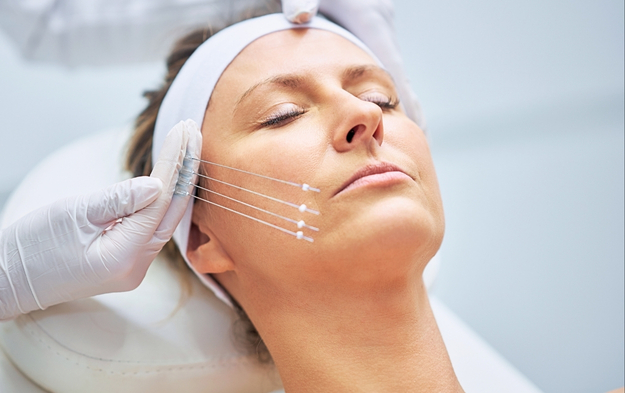
Comprehensive guide about the thread lift procedure: How it is done, benefits, risks, recovery and frequently asked questions. Learn about non-surgical facelift techniques.
Learn More

