





 Medical Library


Brazilian Butt Lift (BBL)
Overview
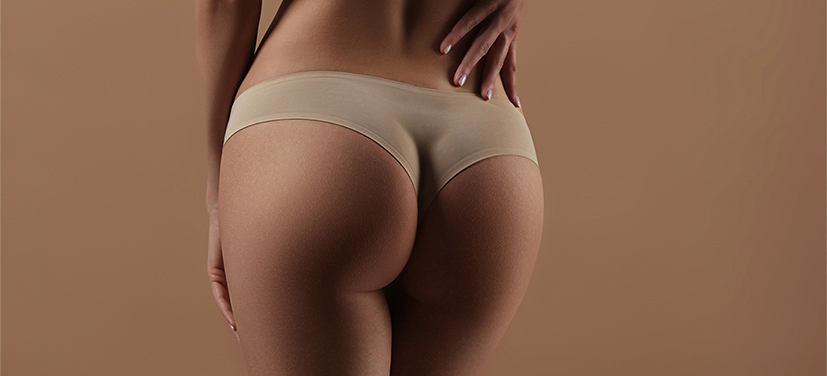
A Brazilian Butt Lift (BBL) is a cosmetic surgical procedure that enhances the size and shape of your buttocks using fat from your own body. During this procedure, your surgeon removes fat from areas like your abdomen, thighs or back through liposuction, then purifies and injects this fat into your buttocks to create a fuller, more shapely appearance.
BBL has become increasingly popular because it provides natural-looking results while simultaneously contouring other areas of your body by removing unwanted fat. The procedure can help you achieve a more balanced, curvy silhouette and boost your confidence. Since the enhancement uses your own tissue rather than implants, the results look and feel more natural.
Procedure Details
What is a Brazilian Butt Lift?
A Brazilian Butt Lift (BBL) is a two-part cosmetic surgery that combines liposuction with fat grafting to enhance your buttocks naturally. Unlike buttock implants, BBL in Turkey uses your own fat cells to add volume and improve the shape of your buttocks while simultaneously sculpting other areas of your body. The procedure involves harvesting fat from donor areas where you have excess fat deposits, such as your:
-
Abdomen and flanks
-
Lower back
-
Thighs (inner and outer)
-
Arms
-
Bra line area
What Are The Types of BBL Procedures?
-
Traditional BBL: The standard approach combining moderate liposuction with fat transfer to achieve enhanced buttock volume and shape.
-
High-Definition BBL: A more advanced technique that creates enhanced muscle definition and contouring for athletic-looking results.
-
360° BBL: Comprehensive body contouring that includes liposuction around your entire midsection for dramatic body transformation.
-
Mini BBL: A less extensive procedure for patients who need subtle enhancement or have limited donor fat available.
These variations allow surgeons to customize results based on body type and aesthetic goals, an approach commonly seen in plastic surgery in Turkey.
Who is a Good Candidate for BBL?
You may be a good candidate for BBL if you:
-
Have sufficient fat in donor areas for harvesting
-
Are in good overall health
-
Have realistic expectations about results
-
Are at a stable weight close to your ideal body weight
-
Don't smoke or are willing to quit smoking
-
Want to enhance your buttock size and shape naturally
-
Desire body contouring in multiple areas
-
Have good skin elasticity
You may not be a candidate if you:
-
Don't have enough donor fat available
-
Have certain medical conditions that increase surgical risks
-
Are significantly over or underweight
-
Have unrealistic expectations
-
Are unable to avoid sitting for the required recovery period
What Happens During a Brazilian Butt Lift?
Before the procedure:
Your surgeon will mark the areas for fat removal and injection while you're standing. You'll receive general anesthesia for your comfort and safety.
During the procedure:
-
Liposuction phase: Your surgeon injects tumescent solution into donor areas to minimize bleeding and discomfort, then uses specialized cannulas to carefully remove fat.
-
Fat processing: The harvested fat is purified and prepared for injection, separating healthy fat cells from blood, oil, and damaged tissue.
-
Fat injection: Using small cannulas, your surgeon strategically injects the purified fat into multiple layers and areas of your buttocks to create the desired shape and volume.
Risk / Benefits
Every surgical procedure carries inherent risks, and a Brazilian Butt Lift (BBL) is no exception. In fact, BBL is recognized globally as one of the highest-risk aesthetic procedures, with an estimated mortality rate of approximately 1 in 4,000 cases. This elevated risk profile primarily relates to the potential for serious complications if strict surgical protocols are not followed. Therefore, patient selection, surgeon expertise, and adherence to evidence-based safety guidelines are critical determinants of successful outcomes.
Primary Risks
-
Pulmonary fat embolism
-
Infection at injection or liposuction sites
-
Asymmetry or uneven results
-
Fat necrosis
-
Scarring from liposuction
-
Seroma (fluid accumulation)
The risk of severe complications increases significantly if fat is injected into or below the gluteal muscle. As a result, international safety recommendations now strongly advocate for subcutaneous-only fat grafting techniques. High-volume, low-cost clinics and inexperienced surgeons may further elevate these risks.
Potential Benefits
-
Fuller, more projected buttocks
-
Improved body proportions
-
Removal of stubborn fat from other areas
-
Natural look and feel through autologous fat transfer
-
Two-in-one approach: liposuction and augmentation
-
Boost in body image and self-confidence
While the aesthetic and emotional benefits of BBL can be significant, they must be carefully balanced against the potential complications. Comprehensive preoperative evaluation, surgeon expertise, and treatment in accredited facilities are key to minimizing risks. Patients concerned about safety may also consider alternative options such as implants or non-surgical volumizing treatments.
Recovery and Outlook
Recovery after BBL requires careful adherence to aftercare instructions to protect fat survival and ensure optimal results.
- First 1–2 weeks: Swelling and bruising peak
- 2–3 weeks: Return to work (with limited sitting)
- 3–4 weeks: Light activities resume
- 6–8 weeks: Sitting restrictions gradually lifted; exercise resumes
- 3–6 months: Final results become visible
Approximately 60–80% of transferred fat typically survives long term.
When to Call The Doctor
Timely communication with your healthcare provider is essential for ensuring a safe and successful recovery after a Brazilian Butt Lift (BBL). Early recognition and reporting of potential complications can help prevent more serious issues from developing.
Contact your healthcare provider immediately if you experience:
-
Severe or persistent pain
-
Excessive or uncontrolled bleeding
-
Significant or rapidly increasing swelling
-
Fluid or pus drainage from an incision site
-
Signs of infection (fever, chills, redness)
-
Shortness of breath or chest pain
-
Sudden dizziness or fainting
Additional Common Questions
What’s the average cost for a Brazilian Butt Lift?
In the U.S., you’re looking at $8,000 to $15,000, depending on where you live, your surgeon’s reputation, and facility fees. International options, like BBL Turkey, can be more affordable but do your homework on safety and quality. Don’t forget to budget for anesthesia, compression garments, and follow-up visits, those extras can add $1,500 to $3,000. Insurance almost never covers BBL, so plan for out-of-pocket or financing.
What should one expect in terms of results before and after a Brazilian Butt Lift procedure?
You’ll notice a big increase in volume right after surgery, but keep in mind that some of that is swelling. The final look is usually smaller than the immediate post-op result because some fat is reabsorbed in the first few months. About 30-40% of the transferred fat can be lost during that time. The end result, rounder, more lifted buttocks shows up around six months after surgery. You have to set realistic expectations. Everyone heals differently, and things like skin elasticity, weight, and how well you follow BBL aftercare instructions all play a role.
Can patients sit normally after BBL surgery?
Not at first. Most surgeons say no direct sitting for at least 2-3 weeks. You’ll need to use special pillows or lie on your side or stomach.
What should you expect before and after a Brazilian Butt Lift?
You’ll see an immediate boost in buttock volume, but swelling means the final look takes a while to reveal itself. About 30-40% of the transferred fat gets reabsorbed in the first few months, so the end result is a bit smaller than what you see right after surgery. Most patients see their real shape at around the six-month mark. Keep in mind, results vary based on your body, skin elasticity, and how well you follow aftercare instructions.
What causes an unpleasant odor after BBL, and what helps?
Usually, it’s a sign of infection at the incision sites, especially if wound care wasn’t perfect. Sometimes, seroma (fluid build-up) or poor hygiene with compression garments is the culprit. If you notice a persistent odor, don’t wait, contact your surgeon. Antibiotics or drainage might be needed to clear things up.

How Reviewed This Article ?
Prepared by the Rememore Editorial Board in collaboration with licensed physicians practising in Turkey.
-
Published Version
26/03/2024
-
Modified
01/07/2026 Rememore Staff
-
Medically Reviewed By
Related Blogs

Learn about butt anatomy, including gluteal muscles, fat distribution, skin layers, pelvic structure, and the factors that influence buttock shape.
 Learn More

Bad BBL explained in detail: causes, risks, warning signs, smell concerns, and how to avoid complications. Learn how to ensure safe and successful results.
Learn More

Considering a BBL? Understand the critical Brazilian Butt Lift risks, from fat embolism to recovery. Learn how Rememore’s VIP safety protocols protect you.
Learn More

Explore the differences between BBL and natural body aesthetics, including visual results, health considerations, and long-term body changes.
Learn More

