





 Medical Library


Fat Transfer
Overview
Also known as fat grafting, fat transfer is a cosmetic procedure that involves removing fat from one area of the body and then injecting it into another area to restore volume and improve contour.
Fat transfer is commonly used to address volume loss, enhance facial features, or reshape certain areas of the body.
Because the fat transfer procedure uses the patient’s own fat, it offers a natural alternative to synthetic fillers. The transferred fat cells can survive in the new area, providing long-lasting and natural-looking results.

Procedure Details
What Is Fat Transfer?
Fat transfer is the surgical process of harvesting fat from areas such as the abdomen, thighs, or flanks and reinjecting it into areas that require volume enhancement.
The transferred fat acts as a natural filler and may be able to integrate with the surrounding tissues. In addition to improving volume, fat grafts may contain regenerative cells that support skin quality.
How Is Fat Transfer Performed?
The fat transfer procedure typically involves three main steps:
-
Fat Harvesting: Fat is removed using liposuction with small cannulas.
-
Fat Processing: The extracted fat is purified, often using centrifugation, to separate healthy fat cells from fluids and impurities.
-
Fat Injection: The prepared fat is carefully injected into the target area to achieve the desired shape and volume.
Surgeons may slightly overfill the area to compensate for natural fat absorption during healing.
Areas Commonly Treated With Fat Transfer
Fat transfer is used to restore volume and improve contour in both facial and body areas.
-
Face (temples, cheeks, under-eye area)
-
Lips and smile lines
-
Forehead and nose-to-mouth lines
-
Breasts (for subtle enhancement)
-
Buttocks
-
Hands
Benefits and Risks
Benefits of Fat Transfer
The main benefits of fat transfer are:
-
Uses the patient’s own tissue (biocompatible)
-
Natural-looking and long-lasting results
-
Improves both donor and treated areas
-
May enhance skin quality due to regenerative properties
-
Minimal scarring due to small incisions
Potential Risks of Fat Transfer
While fat transfer is seen as a safe procedure, it does still have some potential risks, such as:
-
Swelling, bruising, and temporary discomfort
-
Partial fat absorption requiring touch-up procedures
-
Infection or irregular contour
-
Asymmetry in treated areas
Proper technique and post-procedure care help reduce these risks.
Recovery and Outlook
While fat transfer recovery differs from patient to patient, the timeline typically looks like:
-
Same day: Most patients are discharged on the same day
-
First few days: Mild swelling, bruising, and discomfort
-
1 week: Return to normal daily activities
-
2–3 weeks: Visible improvement as swelling decreases
-
3–6 months: Final results after fat settles
Patients are advised to rest, avoid smoking, and follow post-procedure care instructions to support healing and fat survival.
When to Call the Doctor
Healthcare providers need to be contacted if patients experience:
-
Signs of infection (fever, redness, discharge)
-
Severe or increasing pain
-
Excessive swelling or asymmetry
-
Unusual reactions in treated areas
Early evaluation helps prevent complications.
Additional Common Questions
Who Is a Good Candidate for Fat Transfer?
A good candidate for fat transfer is an individual who has sufficient fat deposits for harvesting and is in overall good health. Candidates should not have medical conditions that may impair healing and should have realistic expectations about the results. This procedure is suitable for those seeking natural volume enhancement using their own body tissue.
How Long Does the Procedure Take?
Fat transfer is generally a short procedure, and in most cases, it can be completed within a few hours. The exact duration depends on the amount of fat to be harvested and the number of areas being treated.
What Should I Do Before the Procedure?
Before undergoing fat transfer, patients are typically advised to avoid blood-thinning medications and certain supplements. It is important to inform the doctor about any existing medical conditions and medications being used. Maintaining a healthy lifestyle before the procedure can also support better surgical outcomes and recovery.
What is the average cost of fat transfer in Turkey?
In general, fat transfer in Turkey costs between $1,000-$5,000.

How Reviewed This Article ?
Prepared by the Rememore Editorial Board in collaboration with licensed physicians practising in Turkey.
-
Published Version
26/03/2024
-
Modified
11/05/2026 Rememore Staff
-
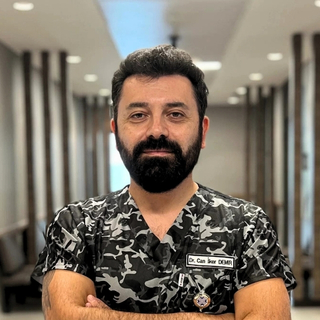
Medically Reviewed By
Related Blogs

Cheek fat transfer cost explained: explore pricing, procedure steps, recovery timeline, results, and filler comparison in this comprehensive guide.
 Learn More

Learn how buttock fat transfer works, including fat transfer from stomach to buttocks, benefits, recovery, results, safety, and cost factors for natural buttock enhancement.
Learn More

Discover everything about tummy tuck recovery time, healing tips, and what to expect after your abdominoplasty procedure. Plan a smoother, safer recovery.
Learn More

Discover penis enlargement surgery at Rememore Clinic in Turkey. Learn about techniques, benefits, recovery, and why Rememore stands out for safe, personalized results.
Learn More

