





 Medical Library


Breast Augmentation Surgery
Overview
Breast augmentation is a surgical procedure that uses implants or fat transfer to increase breast volume, refine shape, and improve symmetry. The goal is a natural looking result that aligns with body proportions and the patient’s aesthetic vision, while preserving safety and function. It is personalized for changes after pregnancy, weight shifts, or genetic factors.

Procedure Details
What is Breast Augmentation?
Breast augmentation in Turkey aims to enhance breast size and contour with silicone or saline implants, or by transferring the patient’s own fat. The plan is individualized after careful measurements of chest wall width, soft tissue thickness, skin elasticity, and symmetry.
In patients with ptosis, augmentation can be combined with a breast lift to reposition the nipple areola complex and optimize shape, which is a common approach within plastic surgery in Turkey for achieving balanced and natural results.
Comprehensive Surgical Techniques and Approaches
Implant Augmentation
Modern implant surgery is a balance of material science and soft tissue planning. Silicone gel implants tend to feel closer to natural breast tissue and today’s cohesive gels maintain shape even if the shell fails. Saline implants are filled after insertion through a smaller incision and allow intraoperative volume adjustment; if they deflate, the saline is simply absorbed by the body. Your surgeon will match implant characteristics to your anatomy and goals rather than pushing a one size solution.
- Shape and profile selection: Round implants increase upper and lower pole fullness and are stable against rotation, which supports a fuller cleavage line. Anatomical, or teardrop, implants mimic the natural slope with more volume inferiorly and are preferred when a subtle, tapered look is desired. Projection is chosen by profile: lower profiles spread width with modest projection, moderate profiles balance width and forward fullness, high and ultra high profiles provide greater projection on narrower bases. Correct profile selection is what aligns cup size, chest width, and proportion.
- Surface characteristics: Smooth implants move more freely within the pocket and may reduce visible rippling in many patients. Textured implants were developed to promote tissue adherence and positioning stability. Surface choice is individualized after a discussion of benefits, trade offs, and current safety guidance.
- Pocket placement: Positioning the implant subglandularly (behind the breast tissue) can mean less early discomfort and avoids muscle animation, but it requires adequate soft tissue coverage to prevent edge visibility in thin patients. Submuscular or dual plane placement provides more upper pole coverage, often reads more natural on slim frames, and can facilitate imaging, at the cost of a slightly longer recovery and potential temporary animation. Dual plane techniques combine muscular coverage superiorly with soft tissue release inferiorly to refine the lower pole and nipple position.
- Incision planning: The inframammary fold approach, hidden in the natural crease, gives direct access for precise pocket creation and is suitable for most implant types and sizes. A periareolar approach hides the scar at the color transition of the areola but offers a narrower working corridor and needs thoughtful counseling regarding breastfeeding and sensation. A transaxillary approach places the scar in the armpit and typically uses endoscopic assistance; it is an option for patients who prioritize avoiding a breast scar and understand its technical nuances and revision access considerations.
Fat Transfer Augmentation
Autologous fat grafting is often chosen for subtle enhancement, contour polishing, and a particularly natural feel. Fat is harvested from donor areas such as the abdomen, flanks, or thighs with gentle liposuction, then purified to remove oil and fluid. Injection is performed in micro threads across multiple tissue planes with a 360 degree distribution to optimize shape and graft survival. Typical volume gains per session are modest, so expectations are set accordingly; in select cases, a hybrid approach pairs smaller implants with fat transfer to soften edges and fine tune symmetry.
Candidate Selection and Preoperative Planning
Ideal candidates are in good general health with stable weight and realistic expectations. Preoperative planning includes breast base width and soft tissue mapping, assessment of nipple position and ptosis, and discussion of lifestyle factors such as sports, future pregnancy, and breastfeeding. Sizing uses a combination of measurements, sizers, and when available, 3D simulations to preview proportions rather than chase a specific cup label.
Breast Augmentation Surgery Cost
In Turkey, average breast augmentation turkey packages typically range from 3,200 to 5,000 USD and generally include surgeon fees, implants, hospital fees, and aftercare.
Choosing Implants and Combined Lift
If you are weighing implant type, shape, and profile, or considering combining augmentation with a mastopexy, it is important to be informed about the differences between procedures like breast augmentation and breast lift before your consultation.
Risks and Benefits
Complications are uncommon and often manageable with appropriate planning and follow up. Your surgical team will personalize risk mitigation based on your anatomy and medical history.
Breast Augmentation Surgery Benefits
- Enhanced volume, projection, and upper pole fullness
- Improved body proportion and clothing fit
- Correction of asymmetry and post pregnancy deflation
- Natural feel and movement when sized and positioned appropriately
- High satisfaction when expectations are aligned with anatomy
Breast Augmentation Surgery Potential Risks And Complications
- Temporary pain, swelling, bruising, and tightness
- Infection, hematoma, or seroma
- Capsular contracture
- Asymmetry or contour irregularity
- Temporary nipple or skin sensation changes
- Implant related issues such as malposition or rupture
- Very rare: BIA ALCL association, discussed during informed consent and monitored with evidence based protocols
Recovery and Outlook
Breast Augmentation Surgery, Operation Day and Immediate Post-Operative Period
- Breast Augmentation Surgery Duration: 60-120 minutes depending on technique complexity
- Anesthesia: General anesthesia with multimodal pain management
- Length of Hospital Stay Following Breast Augmentation Surgery: Usually outpatient or 1-night observation
- Initial Comfort Measures: Pain medication, ice packs, supportive positioning
Breast Augmentation Weekly Recovery Guide
|
Time Period |
Physical Capabilities |
Restrictions |
Milestones |
| Days 1 to 3 | Light household tasks, short walks | No lifting over 5 lbs, no overhead motion | Pain peak, initial healing |
| Week 1 | Return to desk work, driving if comfortable | Supportive surgical bra 24/7 | First follow up, suture check |
| Weeks 2 to 3 | Most daily activities, light exercise | No chest or arm workouts, careful arm motion | Swelling reduction, comfort improvement |
| Weeks 4 to 6 | Gradual exercise return, light cardio | Progressive lifting, sports bra transition | Shape settling, natural feel development |
| Months 2 to 3 | Normal activities, resistance training | Listen to body, avoid high impact initially | Significant softening, natural movement |
| Months 6 to 12 | Full activity clearance | No restrictions | Final shape, complete tissue adaptation |
Pain Management and Comfort Optimization
- Prescription Medications: Narcotic and non-narcotic options
- Natural Pain Relief: Ice therapy, positioning, gentle massage
- Sleep Positioning: Elevated back sleeping for 2-4 weeks
- Garment Support: Progressive transition from surgical bra to underwire bras
Activity Progression Guidelines
- Driving: When comfortable turning steering wheel (typically 1 week)
- Work Return: Desk jobs 1 week, physical jobs 4-6 weeks
- Exercise: Walking immediately, cardio at 3-4 weeks, weights at 6+ weeks
- Intimate Activity: As comfortable, typically 2-3 weeks with care
When to Call the Doctor
Contact your surgical team without delay if you notice any of the following:
- Fever above 38.3°C or 101°F, increasing redness, warmth, or foul discharge
- Rapidly worsening pain, sudden swelling, or visible asymmetry
- Shortness of breath, chest pain, or calf swelling suggestive of a clot
- Incision separation, expanding bruising, or suspected hematoma
- Persistent or progressive numbness of the nipple areola complex
Additional Common Questions
Which looks more natural, implants or fat transfer?
Both can look natural when sized and placed correctly. Fat transfer offers subtle changes and a soft feel. Implants provide predictable volume and projection across a wider size range.
How long do implants last and when is replacement needed?
There is no fixed expiration date. Monitoring is clinical and imaging based. Exchange is considered if there is rupture, symptomatic capsular contracture, or a change in aesthetic goals.
Will I be able to breastfeed and have mammograms?
Many patients can breastfeed after augmentation, depending on incision and technique. Always inform your radiology team about implants so they can use implant aware imaging protocols.
When will my breasts feel soft and move naturally?
Softening and natural motion typically improve between 3 and 6 months, with final tissue adaptation by 6 to 12 months

How Reviewed This Article ?
Prepared by the Rememore Editorial Board in collaboration with licensed physicians practising in Turkey.
-
Published Version
26/03/2024
-
Modified
30/06/2026 Rememore Staff
-
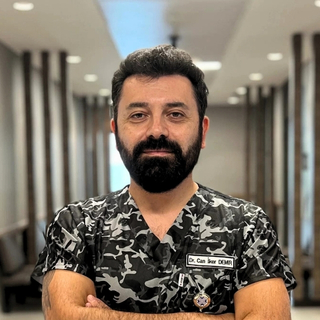
Medically Reviewed By
Related Blogs

Learn about breast anatomy, including female breast structure, parts of the breast, mammary glands, breast lobes and ducts, tissue composition, and internal anatomy.
 Learn More

Discover the cost of gummy bear implants, their pros and cons, and who they suit best. Learn about benefits, risks, and pricing factors in this detailed guide.
Learn More

Discover why breast augmentation at Rememore Clinic stands out in Turkey. Explore advanced techniques, patient-centered care, safety standards, and personalized aesthetic results.
Learn More

Side set breasts explained in detail: causes, characteristics, styling tips, and the latest non-surgical and surgical enhancement options for improved shape and confidence.
Learn More

