





 Medical Library


Breast Reconstruction
Overview
Breast reconstruction surgery is a restorative procedure designed to rebuild the shape, volume, and appearance of the breast after mastectomy or other breast cancer treatments. This surgery not only restores physical balance but also supports emotional recovery, helping women regain confidence and a sense of wholeness after cancer treatment. The reconstruction can be performed using artificial implants or the patient’s own tissue (autologous reconstruction). Depending on the individual’s treatment plan, the operation may take place immediately during mastectomy (immediate reconstruction) or after other treatments are completed (delayed reconstruction). The best approach depends on cancer stage, body type, radiation therapy history, and the patient’s personal goals. Understanding these factors allows surgeons to plan a safe, effective, and personalized reconstruction process.

Procedure Details
What is Breast Reconstruction Surgery?
Breast Reconstruction Surgery in Turkey is a surgical operation that restores breast volume, shape, and symmetry after partial or total removal of the breast due to cancer. The reconstruction is achieved using either silicone implants or tissue taken from another area of the body. The procedure is performed under general anesthesia and can take between two and eight hours, depending on the complexity and whether one or both breasts are reconstructed. The nipple–areola complex is usually recreated later through surgery or 3D medical tattooing to achieve a natural appearance.
Types of Breast Reconstruction
Implant-Based Reconstruction
This type of reconstruction uses silicone or saline implants to restore the breast’s natural contour. There are two main techniques:
Direct-to-Implant: A permanent implant is placed immediately during mastectomy if enough skin and soft tissue remain.
Two-Stage Reconstruction:
• A tissue expander is placed under the skin during the initial surgery.
• Over several weeks or months, the expander is gradually filled with saline.
• Once the expansion is complete, it is replaced with a permanent implant.
Modern implant-based methods often use prepectoral (above-muscle) placement and Acellular Dermal Matrix (ADM) to support the implant. This approach provides a more natural appearance, less muscle pain, and faster recovery. Most patients can return to daily routines within four to six weeks.
Autologous (Flap) Reconstruction
Autologous reconstruction uses the patient’s own skin, fat, and sometimes muscle to create a natural-feeling breast. Common donor areas and techniques include:
DIEP Flap: Takes skin and fat from the lower abdomen while preserving muscle, minimizing abdominal weakness.
TRAM Flap: Uses abdominal tissue with muscle included; suitable for patients requiring more tissue but carries a higher risk of hernia.
Latissimus Dorsi Flap: Transfers muscle and skin from the back, often combined with an implant for additional volume.
PAP, TUG, SGAP Flaps: Use tissue from the thighs or buttocks when abdominal tissue is not suitable.
This option offers a softer and more natural result that changes naturally with body weight over time. However, surgery and recovery take longer, typically four to eight hours of surgery and six to eight weeks of healing.
Immediate vs. Delayed Reconstruction
Immediate Reconstruction: Performed during mastectomy, offering psychological comfort and single anesthesia. It preserves the natural breast skin and often results in better cosmetic outcomes.
Delayed Reconstruction: Performed after all cancer treatments are completed, especially if radiation therapy is planned. It allows complete healing before reconstruction and reduces complications. Both methods can deliver excellent results when carefully selected for the patient’s needs.
How Breast Reconstruction Surgery Works
The surgery begins with preoperative markings made while the patient is standing. These markings help define the new breast contour and nipple position. After general anesthesia is administered, the surgeon performs the selected reconstruction technique, either inserting an implant or transferring tissue using microsurgery. The shape and symmetry are refined to match the natural breast as closely as possible. If necessary, the opposite breast may be adjusted for better balance. Once reconstruction is complete, incisions are closed carefully, surgical drains are placed, and a compression garment or medical bra is applied to support healing. Nipple and areola reconstruction or fat grafting procedures are usually performed several months later to finalize the aesthetic outcome.
Ideal Candidates for Breast Reconstruction Surgery
-
Have undergone mastectomy or lumpectomy and wish to restore breast shape.
-
Are medically cleared by their oncology team for reconstruction.
-
Do not smoke or are willing to quit before and after surgery.
-
Maintain controlled health conditions such as diabetes or obesity.
-
Have realistic expectations about results and understand the multi-stage process.
-
Are emotionally ready and committed to follow-up appointments.
Breast Reconstruction Techniques and Surgical Process
- Implant-Based Techniques: Include prepectoral or subpectoral placement, with or without ADM support.
- Autologous Techniques: DIEP, TRAM, or Latissimus Dorsi flaps requiring microsurgical expertise.
- Combination Approaches: Hybrid techniques that combine flaps and implants for optimal contour.
- Nipple–Areola Reconstruction: Performed three to six months later, through minor surgery or 3D medical tattooing.
The total surgery duration ranges between two and eight hours depending on the type of reconstruction and whether one or both breasts are involved.
Risks / Benefits
Benefits of Breast Reconstruction Surgery
-
Restores body symmetry and natural breast contour
-
Improves posture and clothing fit
-
Enhances emotional well-being and confidence
-
Provides a natural feel, especially with autologous methods
-
Supports the psychological recovery process after mastectomy
Risks and Complications
-
Infection or hematoma (3–5%)
-
Delayed wound healing or scarring
-
Capsular contracture or implant rupture (10–15% within five years)
-
Partial or total flap loss in autologous reconstruction
-
Donor-site scarring or weakness
-
Increased risks in smokers, diabetics, or patients with prior radiation therapy
Expected Recovery Timeline
Week 1–2: Patients may experience swelling, bruising, and mild discomfort. Arm movement is limited, and surgical drains remain in place for fluid management.
Week 3–6: Gradual improvement in comfort and mobility. Stitches are removed, and most patients can return to desk work.
Month 2–3: Light activities and exercise can resume as healing progresses.
Month 6–12: The final breast shape becomes stable, scars mature, and tissues soften.
Physical therapy is recommended
When to Call the Doctor
Patients should contact their surgeon immediately if they experience:
-
Persistent or worsening pain
-
Redness, swelling, or discharge
-
Fever or chills
-
Sudden bleeding or fluid accumulation
-
Noticeable asymmetry or wound separation
Long-Term Management and Maintenance
Results of breast reconstruction are long-lasting but may evolve with natural aging, weight changes, or gravity. Regular follow-up visits every six to twelve months are recommended. MRI imaging may be required to monitor silicone implants. Implants typically last 10 to 20 years before replacement may be necessary. Patients are advised to maintain a stable weight, wear supportive bras, and protect the reconstructed area from trauma. Minor revisions such as fat grafting or contour adjustments can enhance results over time.
Can breast reconstruction be completed in one operation?
Most patients require two to four stages, including nipple and areola reconstruction.
What is the average recovery time?
Around four to six weeks for implant reconstruction and six to eight weeks for flap reconstruction.
Will there be visible scars?
Yes, but scars are placed strategically and fade significantly within twelve to eighteen months.
Does radiation affect reconstruction?
Yes. Radiation may increase implant-related complications, so delayed or autologous reconstruction may be recommended.
How long do implants last?
Implants are not lifetime devices and usually need replacement after ten to twenty years.
What is the cost of breast reconstruction surgery in Turkey?
The average cost ranges between $4,500 and $12,000, depending on the hospital, surgeon’s experience, and technique used.
When is nipple–areola reconstruction performed?
Usually three to six months after the main procedure, through minor surgery or 3D medical tattooing.

How Reviewed This Article ?
Prepared by the Rememore Editorial Board in collaboration with licensed physicians practising in Turkey.
-
Published Version
26/03/2024
-
Modified
17/04/2026 Rememore Staff
-
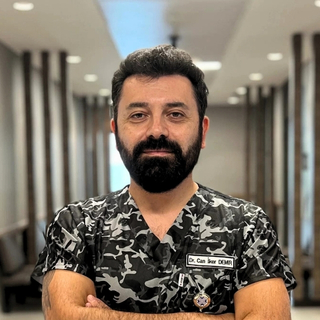
Medically Reviewed By
Related Blogs

Explore different types of nipples, including flat, inverted, puffy, and protruding nipples. Learn about nipple shapes, size variation, normal appearance, and changes.
 Learn More

Learn the difference between underbite and overbite jaw surgery, including treatment options for malocclusion, open bite, crossbite, and jaw misalignment.
Learn More

What is the best treatment for hair loss? An effective, non-surgical solution exists: Hair Mesotherapy treatment! This revolutionary hair restoration method offers hope for both men and women experiencing hair loss problems.
Learn More

Learn what a lipoma is, its causes, symptoms, and treatment options. Discover lipoma surgery prices and how much it costs to remove a lipoma in different regions.
Learn More

