





 Medical Library


Tummy Tuck
Overview
A tummy tuck, also known as abdominoplasty, is a cosmetic surgical procedure that removes excess skin and fat from the abdomen while tightening the abdominal muscles to create a firmer, smoother midsection. This procedure is especially beneficial for individuals who have experienced significant weight loss or post-pregnancy changes, as it addresses both skin laxity and weakened core muscles.
A tummy tuck enhances body contour, improves posture, and delivers a more defined waistline. Unlike liposuction alone, this surgery provides comprehensive abdominal transformation and long-lasting results.
Procedure Details
What is a Tummy Tuck?
A tummy tuck in Turkey is a cosmetic surgery designed to contour the abdomen by removing excess skin and fat and tightening the underlying muscles. The procedure begins with a horizontal incision made between the pubic bone and navel. Through this incision, the surgeon tightens the abdominal muscles, removes loose tissue, and repositions the skin for a more toned appearance. In some cases, liposuction may be combined to enhance definition and contour.
What Are The Types of Tummy Tuck Procedures?
Full Tummy Tuck is the classic version. The surgeon makes an incision from hip to hip, removes skin and fat, and tightens up the muscles across the entire abdominal wall. The belly button usually gets moved too. Recovery is a bit longer since it’s a bigger procedure.
Mini Tummy Tuck is less extensive, just the area below the belly button. The incision is smaller, and only the lower abdominal muscles are tightened. It’s usually best for people with mild lower belly issues and good muscle tone up top. Recovery is typically quicker.
Extended Tummy Tuck goes further, targeting the abdomen, flanks, and sometimes the lower back. This is often the go-to for folks who’ve lost a lot of weight and have extra skin all around their midsection.
360° Tummy Tuck is an advanced abdominoplasty technique that contours the entire midsection (anterior abdomen, flanks, and lower back.) Through a circumferential incision, excess skin and fat are removed, and the abdominal wall is tightened to achieve a more defined silhouette. It is particularly suited for patients with significant skin laxity after major weight loss. While recovery is longer, the results are comprehensive and long-lasting.
These variations allow surgeons to tailor the procedure based on individual needs, a personalized approach commonly seen in plastic surgery in Turkey.
Factors to Consider Before Surgery
The timing of your surgery matters a lot. If you’re planning more kids, it’s better to wait, pregnancy can undo the results. Recovery isn’t a walk in the park. Expect to take 2-3 weeks off work and avoid strenuous activity for at least 6-8 weeks. You’ll need some help at home, especially in the first days. And if you have health conditions like diabetes or heart issues, you might need extra medical clearance before surgery. Sometimes, less invasive options like liposuction or non-surgical skin tightening are worth considering first, especially if your concerns are mild.
Impact of Weight Loss and Pregnancy
If you’ve lost a lot of weight (say, 50 pounds or more) chances are you’ve got some loose skin that just won’t budge. A tummy tuck can help with that. Same goes for post-pregnancy changes: separated abdominal muscles and stretched skin are common and respond well to this surgery when nothing else works.
Stretch marks below the belly button usually get removed along with the extra skin, but those above tend to stick around (though they might look less noticeable once the skin is tighter). Women who’ve had multiple pregnancies often see the most dramatic improvements. Just keep in mind, big weight swings after surgery can mess with your results, so try to keep things steady.
Who is A Good Candidate for Tummy Tuck?
You may be a good candidate for a tummy tuck if you:
-
Have excess abdominal skin or fat
-
Are in good general health
-
Maintain a stable body weight
-
Have realistic expectations
-
Do not smoke or can quit before and after surgery
You may not be a candidate if you:
-
Are significantly overweight
-
Have medical conditions that increase surgical risks
-
Plan future pregnancies
-
Have unrealistic expectations
Risk / Benefits
Potential Risks
Potential risks of a tummy tuck procedure include:
-
Infection
-
Seroma or fluid accumulation
-
Scarring
-
Delayed wound healing
-
Blood clots
Primary Benefits
The main benefits of tummy tuck surgery are:
-
Flatter, firmer abdominal profile
-
Improved waist definition
-
Enhanced posture and core stability
-
Long-lasting contour improvement
-
Boost in body confidence
Recovery and Outlook
Recovery after a tummy tuck typically takes several weeks.
-
2–4 weeks: Limited physical activity to allow proper healing; swelling and bruising are common but begin to subside
-
4–6 weeks: Most patients return to normal activities
-
3–6 months: Full results become visible
Maintaining a stable weight and healthy lifestyle helps preserve long-term outcomes.
When to Call the Doctor
Contact your healthcare provider immediately if you experience:
-
Severe or persistent abdominal pain
-
Excessive bleeding or drainage
-
Signs of infection (fever, redness, swelling)
-
Shortness of breath or chest pain
-
Sudden swelling or unusual fluid build-up
Additional Common Questions
What’s the average cost for a Tummy Tuck?
In the U.S., the cost typically ranges from $8,000 to $15,000, depending on the surgeon’s expertise, location, and facility fees. Additional costs for anesthesia, compression garments, and post-operative care should also be considered. Insurance usually does not cover cosmetic tummy tuck procedures.
When will I see the results of a Tummy Tuck?
Initial results appear within weeks, with final contours visible between 3 and 6 months as swelling resolves and tissues settle.
How long do Tummy Tuck results last?
Results are long-lasting as long as weight remains stable and a healthy lifestyle is maintained.
Can I exercise after a Tummy Tuck?
Light activity can typically resume after 3–4 weeks, with a full return to workouts at 6–8 weeks after medical clearance.

How Reviewed This Article ?
Prepared by the Rememore Editorial Board in collaboration with licensed physicians practising in Turkey.
-
Published Version
26/03/2024
-
Modified
08/09/2026 Rememore Staff
-
Medically Reviewed By
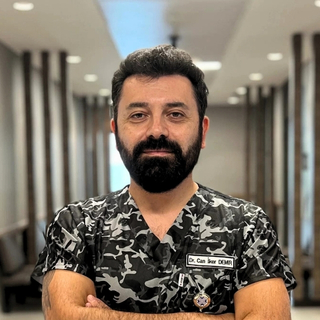





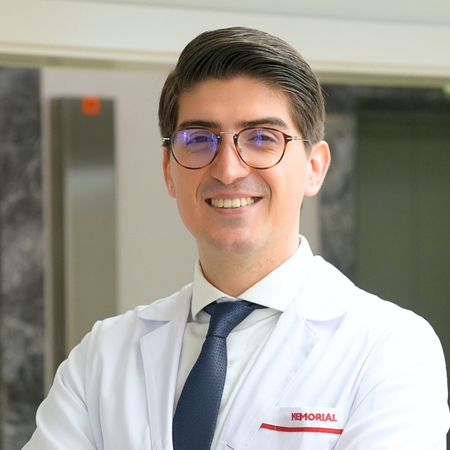
.jpg)






















Related Blogs

Learn what causes an outie belly button, the different types of belly buttons, whether it can be changed, and how umbilicoplasty and tummy tuck surgery can reshape its appearance.
 Learn More

Learn about panniculectomy cost in 2026, including average prices, insurance coverage, key cost factors, recovery, and how panniculectomy differs from a tummy tuck.
Learn More

Fleur-de-Lis tummy tuck explained in detail: what is FDL surgery, scars, cost, recovery timeline, and who is a good candidate. Learn pros and cons with expert insights.
Learn More

Tummy tuck pain vs C-section pain explained in detail. Compare recovery time, pain levels, healing stages, and key differences to understand which procedure is more intense.
Learn More

