





 Medical Library


Brazilian Butt Lift Risks: A Definitive Safety Guide for the Discerning Patient

A Brazilian Butt Lift, or BBL for short, is a gluteal augmentation procedure that uses autologous fat grafting to reshape and contour the buttocks. BBL’s recent rise to popularity is mostly due to its ability to sculpt the waist while simultaneously enhancing projection and contour in a single operation.
However, while transformative, the BBL procedure carries the highest mortality rate of any cosmetic surgery when performed incorrectly. The difference between a life-changing result and a life-threatening complication lies entirely in the surgical precision, anatomical discipline, and institutional safety standards.
Understanding the BBL: Why Precision Is the Only Option
A Brazilian Butt Lift procedure is not a single, one-and-done maneuver. It is a two-stage surgical process that combines high-definition liposuction with detailed fat grafting.
Each stage carries its own risk profile, and the interaction between the two defines the overall safety.
Phase One: Liposuction — The Sculpting Stage
Liposuction removes excess fat from areas like the abdomen, flanks, thighs, or back. This removed fat is later purified and prepared for transfer. While liposuction is a widely performed procedure, it is still a major surgery.
Risks during this phase include:
-
Contour irregularities
-
Fluid shifts
-
Organ perforation (rare but severe)
-
Bleeding or hematoma
In premium settings, conservative technique and continuous anatomical orientation dramatically reduce these risks.
Phase Two: Fat Injection — The Critical Stage
The fat injection phase is where most BBL risks originate.
The removed fat must be placed strictly into the subcutaneous fat layer, which is the soft envelope between the skin and the gluteal muscle. This layer acts as a cushion and contains relatively small vessels.
Beneath the subcutaneous fat layer lies the gluteal muscle, which is dense, highly vascular, and connected to large veins that lead directly to the heart.
Modern BBL safety guidelines emphasize:
-
Use of a blunt-tip cannula
-
Continuous awareness of cannula angle
-
Superficial-only fat placement
-
Avoiding high-pressure injection

The Critical Risk: Pulmonary Fat Embolism (PFE)
Among all BBL risks, none is more serious than pulmonary fat embolism, PFE for short. PFE occurs when fat globules enter the bloodstream and travel to the lungs, blocking pulmonary arteries. When this happens, oxygen exchange is disrupted, potentially leading to sudden cardiovascular collapse.
Symptoms include:
-
Sudden shortness of breath
-
Sharp chest pain
-
Rapid heart rate
-
Oxygen desaturation
The Gluteal Danger Zone
The deep gluteal muscle contains large veins that drain directly into the inferior vena cava and then to the heart.
When the purified fat is injected into or beneath the gluteal muscle, it can enter torn veins under pressure. Once in circulation, it travels to the lungs.
This is why surgeons must be experienced and make sure that the fat will remain in the subcutaneous layer only.
The Role of Ultrasound-Guided BBL
One of the most crucial advancements in Brazilian Butt Lift safety guidelines is ultrasound-guided fat injection.
The ultrasound technology allows surgeons to:
-
Visualize the cannula in real time
-
Confirm it remains above the muscle fascia
-
Avoid entering the gluteal muscle
-
Ensure superficial placement at all times
While not universally mandated by law in every country, ultrasound guidance is rapidly becoming the gold standard.
Common vs. Severe: A Spectrum of BBL Complications
Not all complications carry equal severity. A potential patient needs to understand the difference between expected healing challenges and life-threatening emergencies.
|
Complication |
Frequency |
Severity |
Action Required |
| Swelling & Bruising | Very Common | Mild | Routine post op care |
| Minor Asymmetry | Common | Mild | May improve naturally |
| Fat Necrosis | Occasional | Moderate | Monitor; possible minor revision |
| Seroma | Occasional | Moderate | Fluid drainage, if needed |
| Deep Vein Thrombosis (DVT) | Rare | Severe | Immediate medical care |
| Pulmonary Fat Embolism (PFE) | Very Rare | Life Threatening | Emergency hospitalization |
| Organ Perforation | Extremely Rare | Life Threatening | Surgical emergency |
Aesthetic & Minor Complications
While BBL risks often focus on rare emergencies, most post-operative concerns are aesthetic or localized healing issues. These are typically manageable when identified early and treated appropriately in a monitored setting.
The most common aesthetic and minor complications are:
-
Fat Necrosis: This occurs when transferred fat cells do not survive. It may present as firm lumps or irregularities. Early pressure, smoking, or overfilling increases risk.
-
Seroma: Fluid accumulation beneath the skin may require drainage, but is generally manageable.
Severe Surgical Complications
Even though they are rare in properly accredited facilities, severe complications must be understood clearly as well. These medical emergencies require immediate intervention.
-
Deep Vein Thrombosis (DVT): Blood clots in the legs may develop due to immobility. If dislodged, they can travel to the lungs.
-
Sepsis: A systemic infection, rare in accredited facilities, but potentially life-threatening.
-
Organ Perforation: More commonly associated with aggressive liposuction techniques.
The Mental Health Risk Profile
Patients with untreated body dysmorphic tendencies or unrealistic expectations are at increased risk of dissatisfaction, revision surgery, or psychological distress.
Price vs. Safety: What Your Investment Actually Buys
A low-cost BBL may appear financially attractive. But cost reductions often come from eliminating critical safety layers.
Areas where budget clinics may cut corners are:
-
Non-physician anesthesia providers
-
Non-accredited operating facilities
-
Multiple surgeries per day (fatigue factor)
-
No ultrasound technology
-
Limited post-op monitoring
|
Element |
Budget Clinic |
Rememore Premium Standard |
| Anesthesia | Technician led | MD anesthesiologist |
| Facility | Office OR | AAAASF or JCI accredited hospital |
| Technology | No ultrasound | Mandatory ultrasound guided BBL |
| Staffing | High volume turnover | Dedicated surgical team |
| Monitoring | Minimal overnight care | Continuous VIP medical observation |
Accreditation bodies such as the American Association for Accreditation of Ambulatory Surgery Facilities (AAAASF) and The Joint Commission set rigorous standards for operating room sterility, emergency readiness, and anesthesia safety.
Brazilian Butt Lift Recovery Timeline: Protecting Your Results
Surgery safety does not end when the BBL operation is concluded. BBL aftercare is essential for a smooth recovery. The recovery timeline after a Brazilian Butt Lift looks like:
-
First 48 Hours: Close monitoring for complications such as pulmonary fat embolism (PFE) or Deep Vein Thrombosis (DVT), with early assisted walking to promote circulation and reduce clot risk.
-
Weeks 1–3: No Direct Sitting: Strict avoidance of direct pressure on the buttocks to protect newly transferred fat cells and support proper blood supply.
-
Weeks 4–6: Controlled Reintegration: Gradual reintroduction of limited sitting using a BBL pillow while swelling decreases and fat cells continue stabilizing.
-
Weeks 6–8: Tissue Stabilization: Surviving fat cells integrate permanently, final contours become clearer, and normal sitting can progressively resume.
A Patient’s Pre-Surgery Safety Checklist
Selecting the right surgeon and appropriate facility is the most powerful way to reduce Brazilian Butt Lift risks.
Before committing to surgery, ensure the following safety standards are clearly verified:
-
Verify Board Certification: Search the official database of the American Board of Plastic Surgery and confirm the surgeon is certified in Plastic Surgery—not merely marketing themselves as a “cosmetic surgeon.”
-
Ask the Intramuscular Question: Directly ask, “Will you inject fat only into my subcutaneous layer?” The answer should be clear with no muscle injection involved.
-
Confirm Facility Accreditation: Ensure the operating facility is accredited by respected organizations such as the American Association for Accreditation of Ambulatory Surgery Facilities (AAAASF) or The Joint Commission, which enforce strict safety and sterility standards.
-
Confirm Hospital Privileges: Verify that the surgeon holds active hospital privileges to perform the procedure, indicating independent credential review and emergency readiness.
-
Ask About Ultrasound Guidance: Confirm that real-time ultrasound is used during every fat injection to ensure placement remains strictly within the subcutaneous fat layer.
-
Review Emergency Protocols: Ask whether advanced life support equipment and immediate access to ICU-level care are available in case of complications.

How Reviewed This Article ?
Prepared by the Rememore Editorial Board in collaboration with licensed physicians practising in Turkey.
-
Published Version
23/02/2026
-
Modified
23/02/2026 Rememore Staff
-
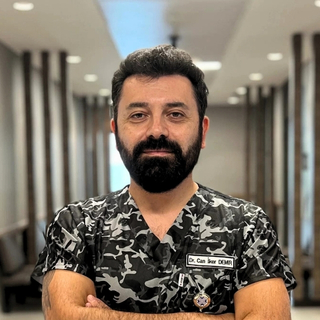
Medically Reviewed By


Other Blogs

Learn how Delta Dental PPO plans work, including coverage, network providers, out-of-network care, waiting periods, costs, and how PPO compares with HMO plans.
 Learn More

Discover the best weight loss supplements for women in 2026, including protein, fiber, caffeine, and green tea, plus safety tips and evidence-based guidance.
Learn More

Learn what an ingrown hair cyst is, including its symptoms, causes, treatment options, infection risks, prevention, and when to see a doctor.
Learn More

Learn the average weight for men by height and age , how BMI charts work, and what healthy weight ranges can tell you about overall health.
Learn More

