








Inverted Nipples and Nipple Aesthetic Surgery
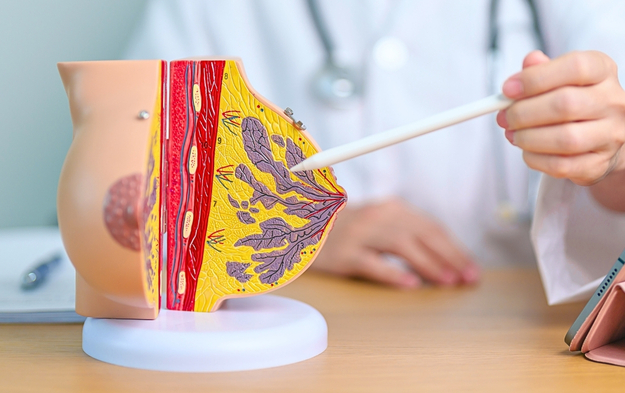
In a world where embracing yourself in all aspects has become the norm, there’s still a topic that is rarely discussed openly: inverted nipples. Some individuals feel uncomfortable about having inverted nipples and may choose to keep it a secret. But why do nipples become inverted? A significant portion of the population faces this issue, and it’s actually more common than you might think. In this blog, let’s explore what causes inverted nipples, how they can be treated, and everything else you need to know about the topic.
Correction of Inverted Nipples
One of the common questions many people have is how inverted nipples can be corrected. Addressing this condition is important not only for aesthetic reasons but also for functional purposes. Typically, it occurs due to shortened connective tissues beneath the breast tissue and retracted milk ducts. There are several methods to correct inverted nipples, with surgical intervention being the most effective approach.

How Is Inverted Nipple Surgery Performed?
This procedure is a short operation performed under local anesthesia. During the nipple aesthetic surgery, the connective tissues pulling the nipple inward are released, allowing the nipple to be repositioned. The surgeon then carefully sutures the area to achieve an aesthetically pleasing appearance. As a result, the nipple is restored to a natural look.
The recovery process is typically quick, and most patients can comfortably return to their normal activities within a few days. Additionally, there are non-surgical methods available to correct inverted nipples. Special creams or devices designed to pull the nipple outward can be used for treatment. However, it’s important to note that the effectiveness of these methods can vary from person to person, and surgical procedures are often recommended for permanent results.
Correcting inverted nipples provides both aesthetic and functional comfort to patients. One common challenge faced by mothers after childbirth is difficulty breastfeeding due to inverted nipples. For those dissatisfied with this condition, it is advisable to seek treatment plans at well-equipped hospitals with a professional team.

Causes of Inverted Nipples
The most common causes of inverted nipples include genetic factors. This condition is often observed more frequently in individuals with a family history of inverted nipples. Additionally, shortened connective tissues beneath the breast tissue can cause the nipples to retract.
During pregnancy and the postpartum breastfeeding period, certain changes occur in breast tissue. These changes can sometimes lead to infections or trauma, which in turn may result in nipple retraction. While inverted nipples are not usually a cause for concern, they may indicate underlying issues in some cases. Therefore, regular medical check-ups are essential.
Here are some other possible causes of inverted nipples:
Congenital Inverted Nipples
Genetic factors such as tighter connective tissue or shorter milk ducts at birth can lead to inverted nipples.
Hormonal Changes
Hormonal fluctuations during pregnancy, puberty, or menopause may cause nipples to retract.
Nipple Trauma
Complications from breast surgeries, traumatic injuries, or breastfeeding challenges postpartum can cause changes in the nipple, potentially resulting in inversion.
Breast Cancer
Tumors in the breast can press against the milk ducts, leading to flattened or inverted nipples. In such cases, inverted nipples might be a symptom of breast cancer.
Paget’s Disease of the Breast
Although rare, this type of cancer can present with symptoms such as redness, inverted nipples, or inflammation of the nipple area.
If you experience inverted nipples along with other concerning symptoms, consulting a healthcare professional is highly recommended.

How Reviewed This Article ?
Prepared by the Rememore Editorial Board in collaboration with licensed physicians practising in Turkey.
-
Published Version
28/11/2024
-
Modified
15/12/2025 Rememore Staff
-
Medically Reviewed By



Other Blogs

Learn about blepharoplasty recovery time, week-by-week healing stages, swelling, bruising, upper and lower eyelid surgery recovery, and aftercare tips.
 Learn More

Compare Wegovy vs Ozempic dosage, cost, weight loss results, side effects, and uses to understand how these semaglutide medications differ.
Learn More

Explore hair textures, from straight to coily, with a hair texture chart, porosity guide, and practical tips to identify natural hair patterns and improve hair care.
Learn More

Learn how to sit after BBL, use a BBL pillow correctly, sleep safely, and follow a recovery timeline to protect fat transfer results.
Learn More

